“Carter: The Civil War Is Over” — How the Press Covered Jefferson Davis’s Citizenship Restoration
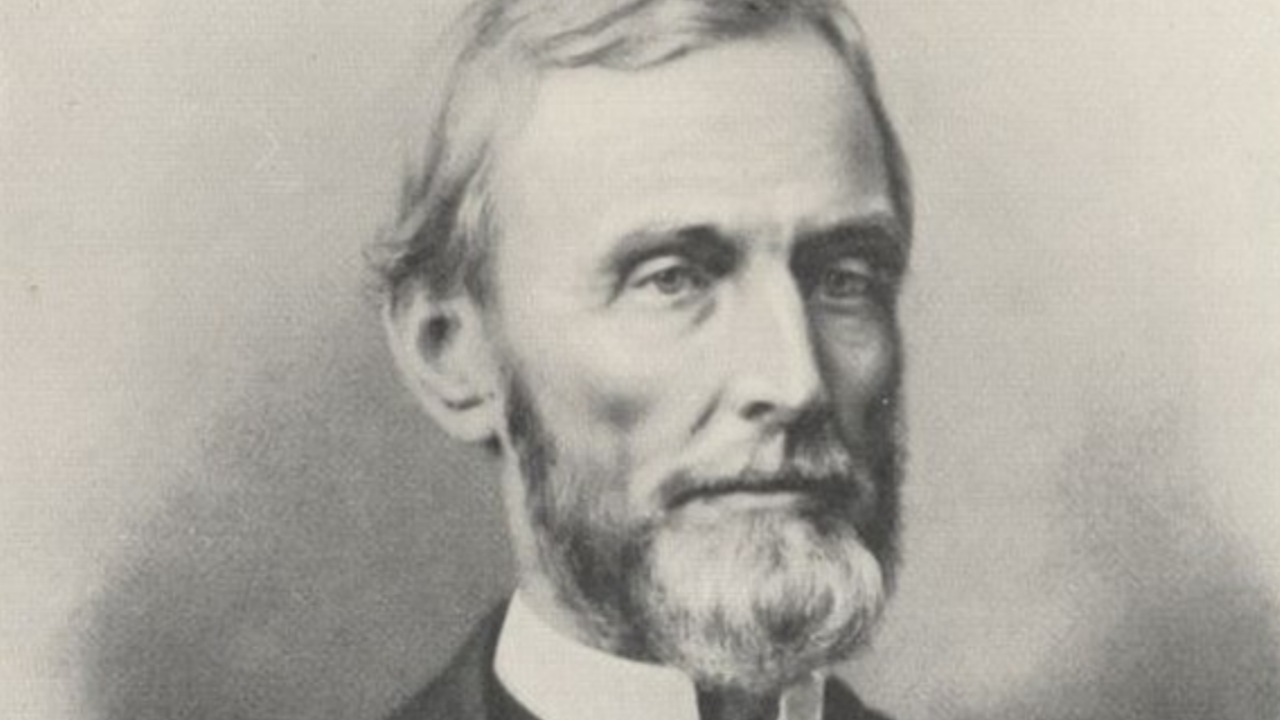
On November 7, 1978, less than a month after President Jimmy Carter signed Public Law 95-466, Senator James Eastland mailed Dr. Howard Edward Haller a newspaper clipping that stopped him in his tracks.
The headline, from The Washington Post, read:
“Carter: The Civil War is Over.”
A Headline That Said It All
Those five words captured more than the legislative victory — they symbolized reconciliation, closure, and the healing of a national wound more than a century old.
For Howard, the headline was more than news. It was a public acknowledgment that his 13-year mission had accomplished something bigger than himself or his family.
Behind the Headlines
Howard’s work didn’t draw daily press coverage. Much of his advocacy was quiet — letters, phone calls, private meetings. But when the resolution passed and President Carter signed it into law, national outlets recognized its significance.
The Washington Post headline distilled the story into a single, powerful statement. Other regional and local papers followed suit, ensuring that the news reached both history enthusiasts and the general public.
Why Press Coverage Matters
Media attention gave the story a permanence beyond the official documents. For museum visitors, researchers, and future generations, those headlines are part of the historical record — a snapshot of how the nation viewed the moment in real time.
Headlines fade, but the story — and the truth behind it — can be preserved. That’s the work of history.
Read or Hear the Full Story
The Jefferson Davis Citizenship Project collection preserves not only the events leading up to that headline, but also the rare documents and personal insights that never made the news. Scroll down to discover more: